How to honor the people you love while staying true to the wedding day you and your fiancé are creating together
Wedding planning is one of the most exciting seasons of your life, but it can also be one of the most emotionally complicated. While you’re dreaming about flowers, venues, and celebrating your marriage, sometimes family members often have dreams and expectations of their own. Some are well-intentioned. Some are rooted in tradition. And some can feel downright overwhelming. One of the things I hear so often from my couples is how nervous they are about the family drama coming out on their wedding day. Trust me, I get it. I have my own family’s drama and had that same concern on my own wedding day. This blog post is going to aim to help you have some practical applications on how to handle it!
One of the most important things to remember during wedding planning is this: your wedding day is a celebration of your marriage. At the end of the day, the two people getting married are the ones who will live with the memories, photos, and decisions from that day for the rest of their lives.
That doesn’t mean ignoring family members or dismissing their opinions. In fact, approaching wedding planning with kindness and patience can go a long way toward preserving relationships. The goal isn’t to “win” every disagreement. The goal is to create a wedding that feels authentically like you and your fiancé while honoring the people who have supported you along the way.
If you’re finding yourself caught between family expectations and your own vision, here are a few practical ways to navigate the process.
1. Decide Your Priorities as a Couple First
Before inviting outside opinions, sit down with your fiancé and discuss what matters most to each of you. Maybe it’s having an intimate ceremony, prioritizing photography, writing personal vows, or keeping the guest list small.
When you have a clear understanding of your shared priorities, it becomes much easier to evaluate suggestions and make decisions together. A united front prevents family members from unintentionally creating division between the two of you.
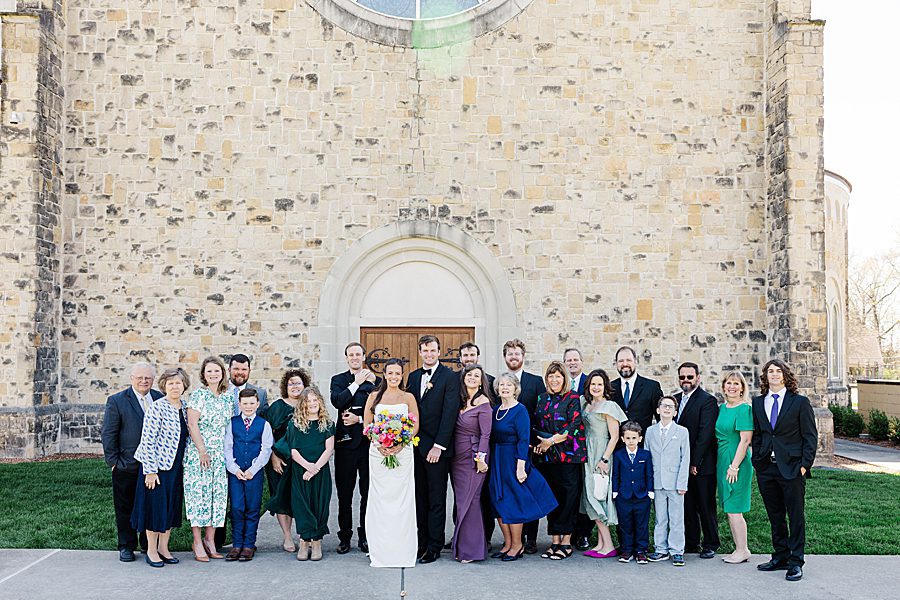
2. Remember That Opinions Are Not Obligations
One of the hardest lessons during wedding planning is realizing that every opinion does not require action.
Your future mother-in-law may suggest inviting additional guests. Your grandmother may have strong feelings about traditions. A sibling may have ideas about music or attire.
Listen respectfully. Thank them for sharing. Then remember that receiving advice doesn’t mean you have to follow it.
A simple, “Thank you for sharing that. We’ll definitely think about it,” can often diffuse tension without committing you to a decision.
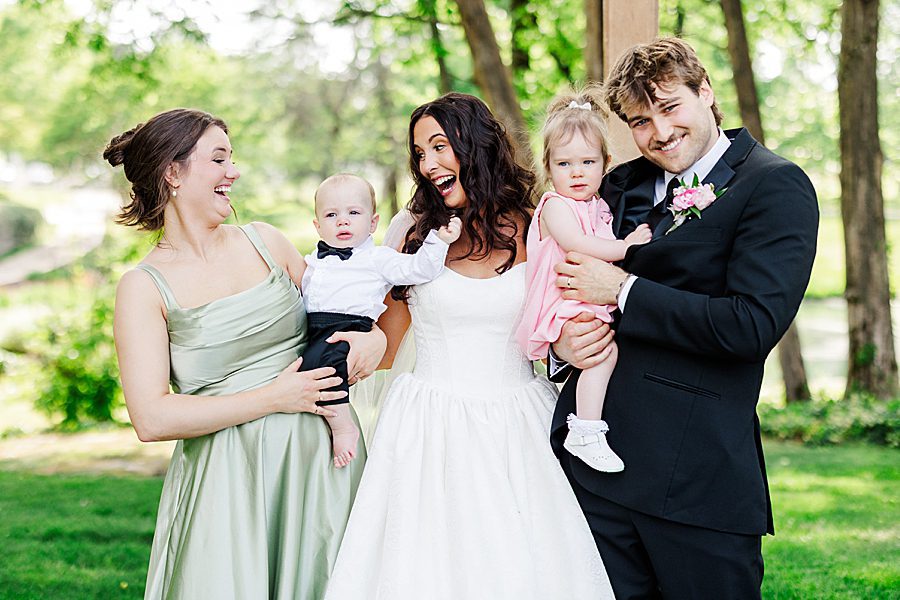
3. Give Family Members Meaningful Ways to Contribute
Many strong opinions come from a place of wanting to feel included.
If you have a family member who is especially invested in the wedding, consider giving them an area where they can contribute. Maybe they help assemble welcome bags, choose family photos for a display table, coordinate a family tradition, or assist with a small planning task.
People often become less focused on controlling the wedding when they feel valued and included.
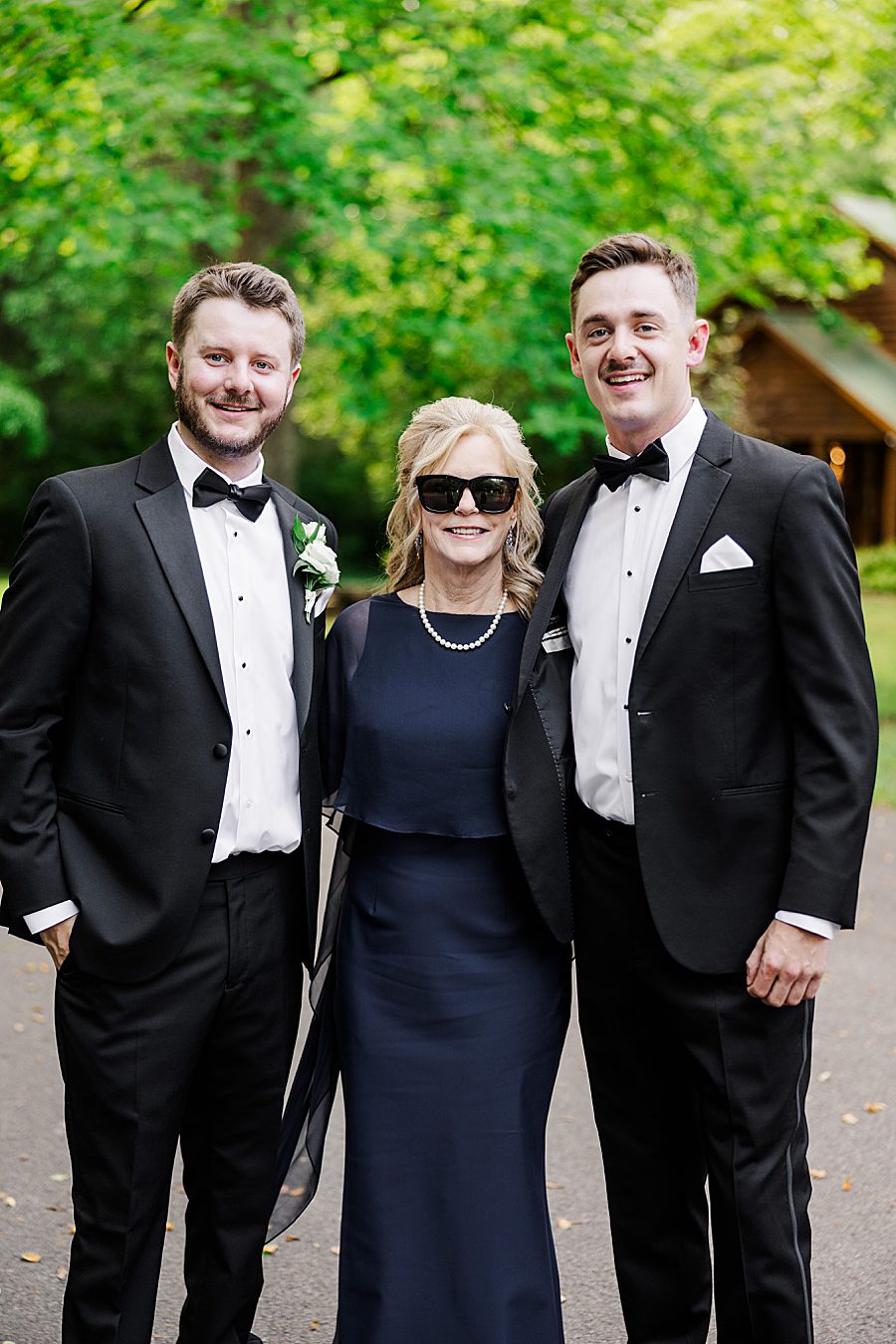
4. Choose Your Battles Carefully
Not every disagreement needs to become a major conflict.
Ask yourself: “Will this matter to me in five years?”
If the answer is no, it may be worth extending some grace. Maybe it’s a family recipe at the rehearsal dinner, a special dance, or a tradition that means a lot to someone you love.
On the other hand, if the issue impacts your values, budget, guest experience, or overall vision for the day, it’s okay to stand firm.
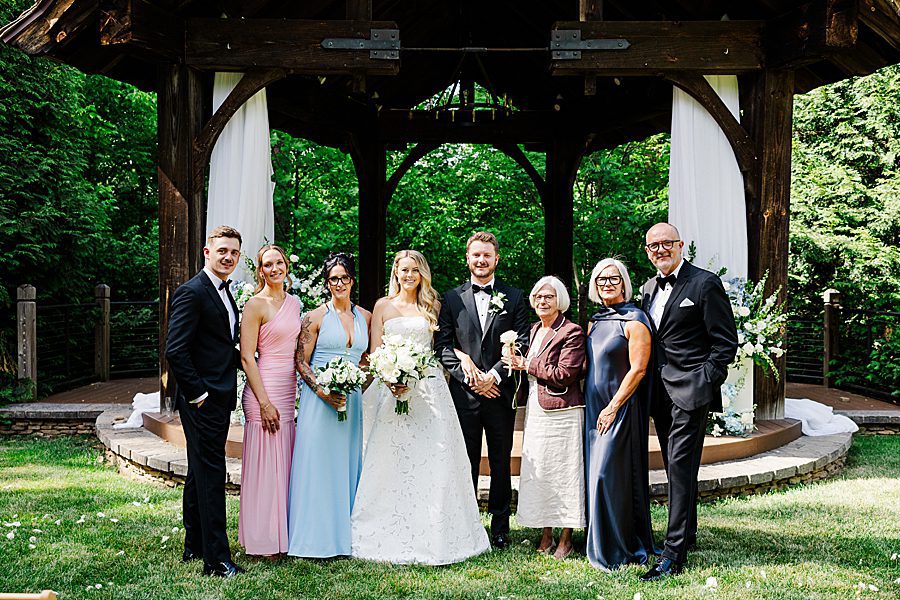
5. Set Boundaries Early and Kindly
Clear boundaries are much easier than repairing hurt feelings later.
If you know there are certain decisions that belong solely to you and your fiancé, communicate that kindly from the beginning. The earlier expectations are established, the fewer surprises there will be down the road.
Remember that boundaries don’t have to be harsh. They can be warm, respectful, and firm at the same time.
6. Designate a Problem Solver for the Wedding Day
One of the best gifts you can give yourself is freedom from family drama on the actual wedding day.
Choose a trusted person—a wedding planner, coordinator, maid of honor, sibling, or close friend—to handle questions and minor conflicts. Let family members know ahead of time who they should contact if an issue arises.
Your job on your wedding day is not conflict management. Your job is getting married.

7. Keep the Bigger Picture in Mind
Years from now, you likely won’t remember every seating chart adjustment or guest list debate.
You’ll remember how you felt standing at the altar. The people who celebrated with you. Beginning your marriage.
When tensions rise, come back to the reason you’re planning this wedding in the first place. Marriage is the goal. The wedding is simply the celebration.
Family expectations can be challenging, but they don’t have to define your engagement season. Stay rooted in who you are as a couple. Make decisions together. Extend grace where you can. Hold firm where you need to. And remember that the most meaningful weddings aren’t the ones that please everyone. They’re the ones that genuinely reflect the two people promising forever to each other.
I’m a Knoxville Wedding Photographer that loves to travel. I shoot anywhere! Click here to contact me with any questions you have about pricing or booking! If you liked what you saw above, go ahead and follow me on Facebook or Instagram to see my daily updates of the latest sessions!
See more from the Amanda May Photos WP 101 Series:
